

The Amazon region is globally known for the richness of its biomes and biodiversity. Beyond its natural treasures, the state of Amazonas holds a vast culinary heritage deeply rooted in Indigenous cultures and traditions, along with Portuguese and Northeastern influences. This shows that Amazonian treasures go far beyond the environment, extending into its traditions.

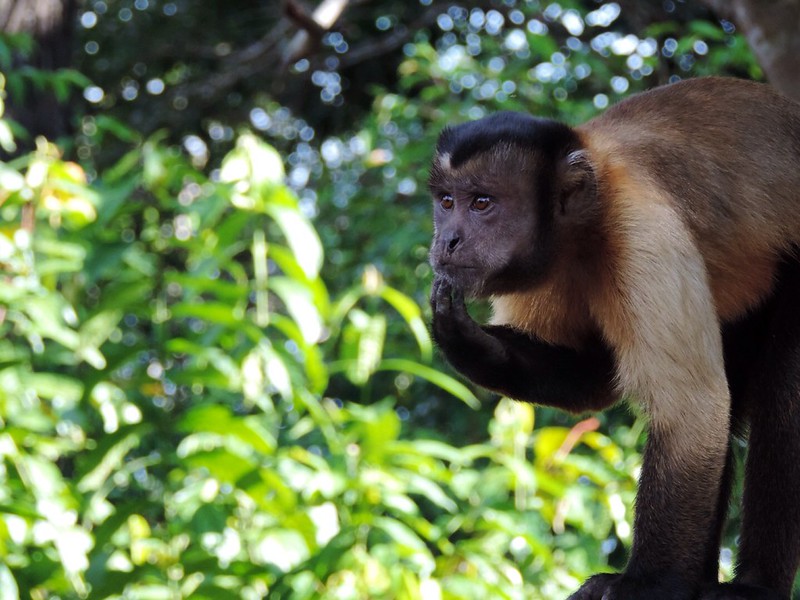
Amazonian cuisine is incredibly rich and shaped by diverse cultural influences. Despite their different origins, these influences come together, complement one another, and create a harmonious blend of flavors. Many of the ingredients found in Amazonian cuisine come directly from the region’s biodiversity, as well as from the multicultural interactions among Indigenous peoples, Portuguese, Europeans, and Northeastern workers.
Indigenous Heritage
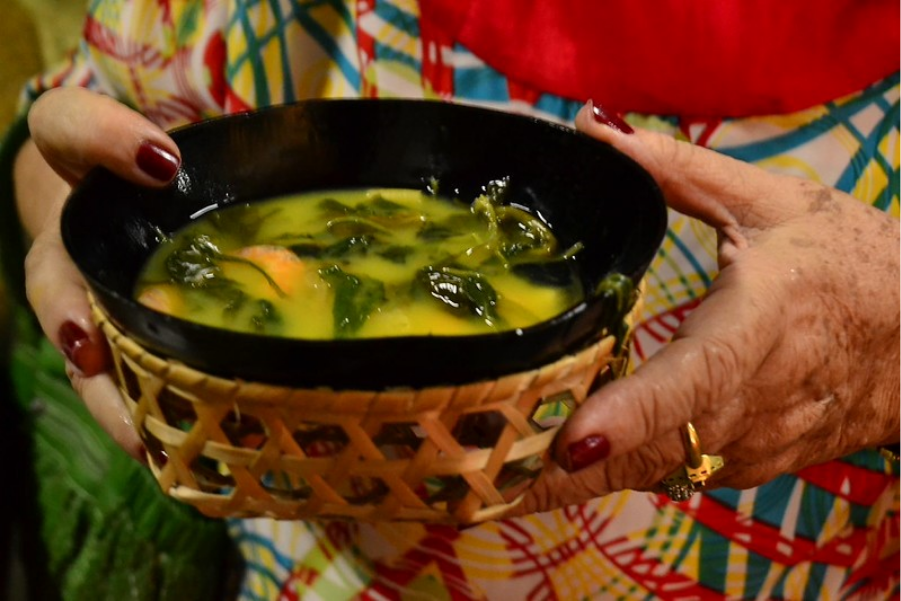
As in the rest of Brazil, Indigenous influence plays a fundamental role in Amazonian gastronomy. One of the main highlights of the region’s cuisine is the variety of ingredients used in its dishes, such as tucupi, the base of famous recipes like duck in tucupi and tacacá, a broth made with tucupi, shrimp, tapioca starch, and jambu leaves.
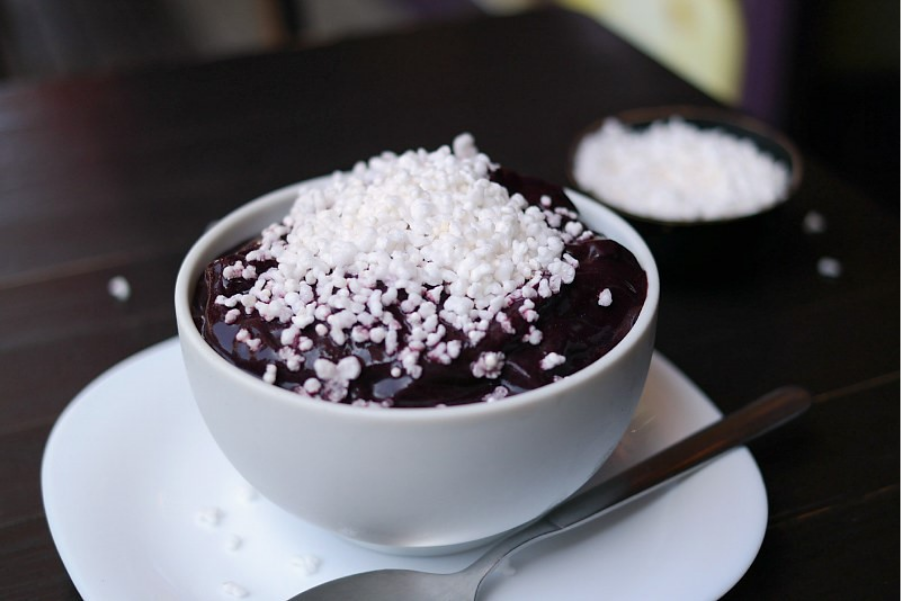
Fish-based dishes are also a strong and lasting tradition, featuring species such as tucunaré, pirarucu, dourado, and pintado. In addition, a wide variety of fruits are part of the local diet and are used in many ways, from juices to ice creams, including açaí, araçá-boi, buriti, cupuaçu, pupunha, and tucumã.
European Heritage
With the arrival of Europeans, especially the Portuguese during colonization, many new ingredients were introduced into Amazonian cuisine. These include wheat cultivation to produce cakes, bread, and pasta; the introduction of other sources of protein beyond fish, such as chicken, pork, and duck; and the production of sugar.
Beyond incorporating new ingredients, the Portuguese also contributed new cooking techniques that influenced how food is prepared in the region.
Northeastern Heritage
During the rubber boom, driven by the high demand for latex produced in the Amazon, many workers from Brazil’s Northeast migrated to the region to meet labor demands.
These workers brought their customs and incorporated them into local cuisine. Adaptations such as the introduction of dishes like vatapá and couscous, as well as ingredients like sun-dried beef, coalho cheese, and palm oil (dendê), were essential in shaping what we now recognize as Amazonian cuisine.
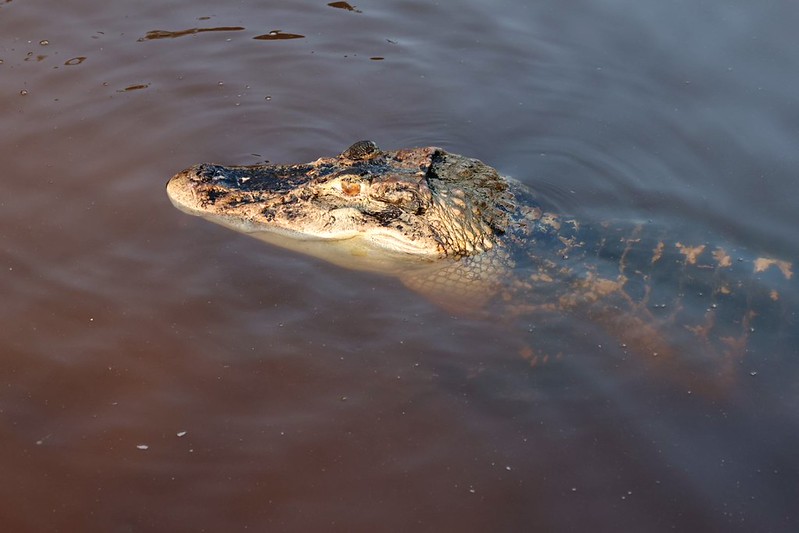

The Amazon amazes visitors with its natural beauty and unique landscapes, leaving lasting impressions on all who visit, making it a truly remarkable destination.
It is clear that the beauty of the Amazon extends far beyond its nature. Its cuisine proves this by captivating people with its rich ancestry, multicultural influences, and distinctive flavors that leave an unforgettable mark.
Contact:

Gisele Abrahao – [email protected]
Anna Cecilia – [email protected]