
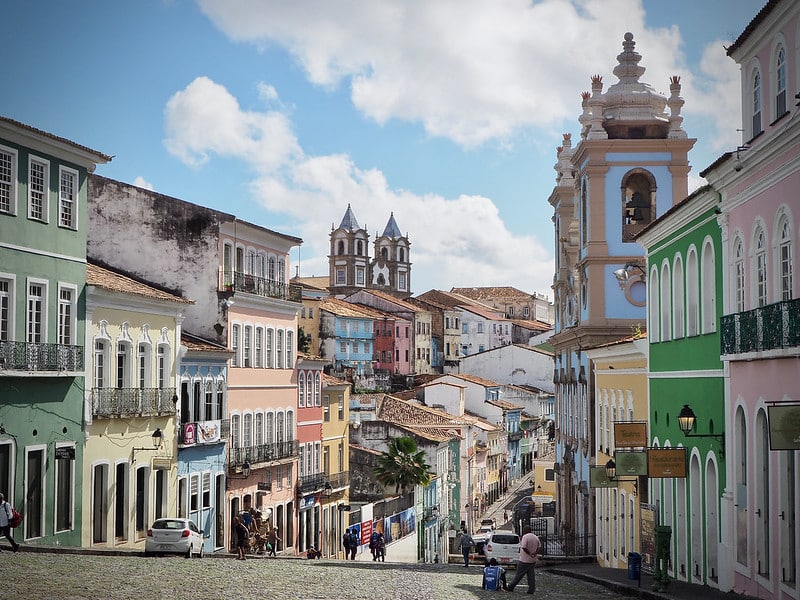
Many people know Bahia because of the grandeur of Carnival in Salvador, which attracts thousands of people to its massive street parades and celebrations. However, Bahia can surprise visitors and reveal its many other wonders when seen from new angles and perspectives.
Bahia’s Natural Treasures
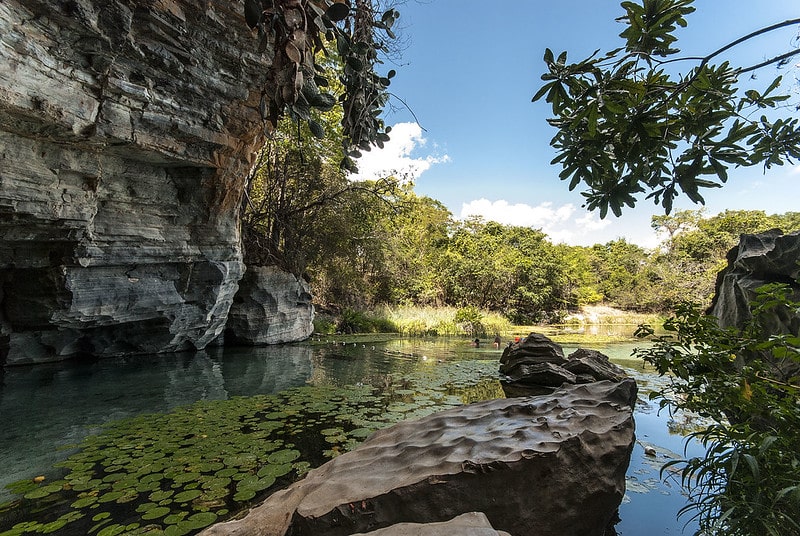
Known for its stunning landscapes, Chapada Diamantina is a perfect destination for ecotourism enthusiasts and adventurers, as well as for those seeking a deeper connection with nature.
Chapada Diamantina is renowned for its impressive waterfalls, which stand out amid the region’s lush greenery and further enhance its breathtaking scenery. Although the area is home to more than 360 waterfalls, the most notable are Cachoeira da Fumaça, considered one of the tallest waterfalls in Brazil; Cachoeira do Buracão, famous for its dramatic setting; and Cachoeira do Mosquito, known for its beautiful cascades flowing between towering rock walls.
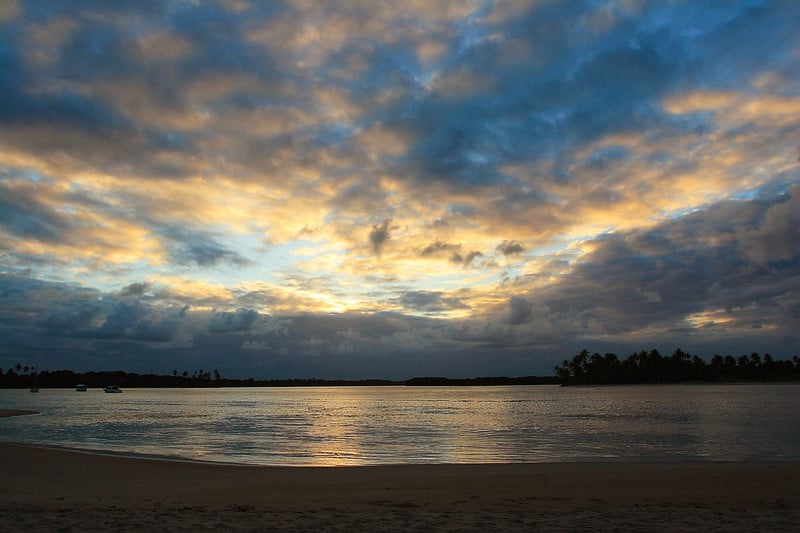
Hidden away from the hustle and bustle of the modern world, Boipeba Island enchants those willing to discover it. With breathtaking landscapes, untouched nature, and a rich multicultural character, it offers a truly unique travel experience.
Part of the Tinharé Archipelago and surrounded both by the Atlantic Ocean and the estuary of the Rio do Inferno, Boipeba stands out for its rare natural beauty and remarkable diversity of ecosystems. This exceptional environment has led the island to be recognized by UNESCO as a Biosphere Reserve and a World Heritage Site.
Bahia’s Authenticity and Culture
Bahia is known as the cradle of Brazilian ancestry and is rich in history and culture, which can be seen, appreciated, and felt in every corner of the state. Bahia distinguishes itself through the strong African influence present in its customs, music, religion, and annual celebrations. At the same time, Bahian identity is complex and shaped by the blending of many different peoples, whose influences are reflected in the state’s traditions and unique forms of cultural expression.

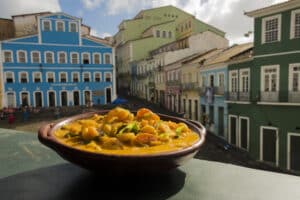
The influence of these diverse yet complementary cultures can be experienced at its finest through Bahian cuisine, including dishes such as acarajé, moqueca, and vatapá; through festivals such as the Festa de Iemanjá and the Festa do Senhor do Bonfim; and through cultural traditions such as capoeira and the samba de roda of the Recôncavo region, all of which celebrate and preserve the history of Bahia’s roots.
A Culinary Tradition
Bahian cuisine goes far beyond its bold flavors and distinctive seasonings. It carries a rich cultural heritage shaped by the many peoples who contributed to its development over the centuries. Its dishes reflect the history, traditions, and identity of a vibrant people who take pride in their heritage.
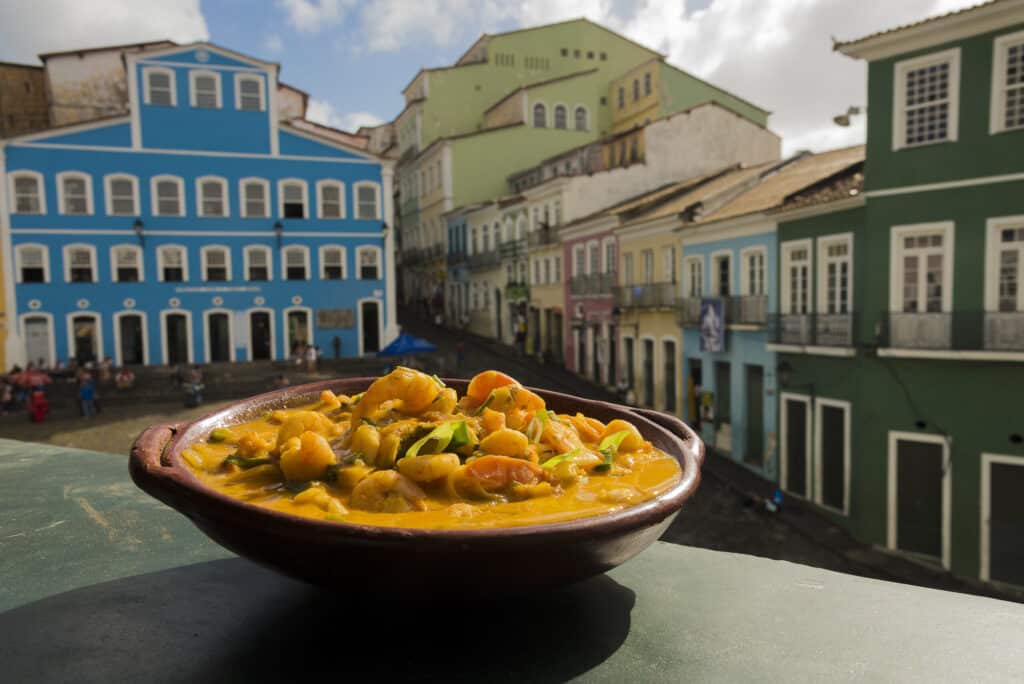
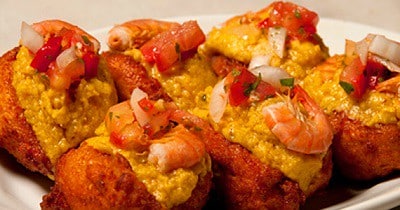
Strongly influenced by Portuguese, Indigenous, and African cultures, Bahian cuisine traces many of its origins to the Indigenous peoples who first inhabited the region. Ingredients still widely used today in local dishes, including cassava, corn, tropical fruits, fish, and shellfish, were introduced and extensively utilized by Indigenous communities.
In this way, Bahia demonstrates that its beauty extends far beyond its Carnival celebrations. The hospitality of its people, the richness of its multicultural cuisine, its natural treasures, and its vibrant cultural diversity make the state an extraordinary destination for visitors from around the world.